
If you work in museums today, Stephanie Weaver, MPH she/her's name may not be as familiar as it once was, nor perhaps the name of her consulting firm, Experienceology. Yet many of us who have worked in audience engagement know her work well. Her 2007 book, Creating Great Visitor Experiences: A Guide for Museums, Parks, Zoos, Gardens, and Libraries, helped shape the way many museums think about the visitor experience.
Stephanie has long since moved on from the museum field, though I've enjoyed keeping up with her work over the years. When I learned she had written a new book, Bitter, Sweet, a deeply personal memoir about surviving sexual assault, I reached out to learn more. I'm grateful she was willing to share her story. The following are excerpts from our conversation.
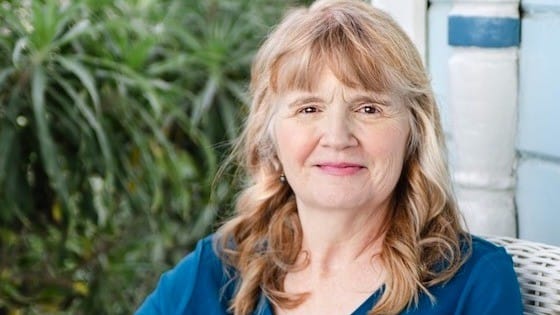
Adam Rozan: Stephanie, congratulations on your new book Bitter, Sweet: How to Heal Yourself When Your Family Is Broken. Can you tell me about it?
Stephanie Weaver: Bitter, Sweet takes people through my experience of sixteen years of family estrangement, forgiveness, and reconciliation. The title refers both to the feeling of being estranged as well as the family recipes that are threaded through the book.
AR: Our museum friends know you from your first book, Creating Great Visitor Experiences. Since then, you’ve written a pet loss memoir and two books for people dealing with migraine headaches. What made you decide to write a book in such a different genre?
SW: I worked in museum education for fifteen years and have a public health degree, so I'm an educator at heart. While my nonfiction books might seem like they don’t make sense together, the trajectory has always been to use my life to help others. Whether that was museum professionals, people blindsided by losing a pet or getting a sudden diagnosis of migraine disease—it was all about making my experience meaningful for others.
Creative nonfiction uses literary techniques to tell the story. On the surface this book is about me. But it’s also about the 69 million people in the United States who are currently estranged from a family member, the one in five women (and one in seven men) who were sexually abused as children, and the countless people who buried those memories until adulthood.
AR: What was it like writing about something so personal?
SW: The hard part wasn’t sharing the details; it was finding the feelings. When my mom was dying, we had to clean out her independent living apartment. This is an experience many GenXers and Boomers have had or will have soon. My mother’s recipe box was hidden in a cupboard. I’ve always loved cooking. When I brought it home I started writing about the recipes and my memories of the food. The book unfolded from there. I took a year-long memoir class and spent another year in a professional critique group.
When you write museum labels or guides, it’s never about you. It’s always in the museum’s voice. If someone in the past could have pointed out a museum label and said, “I can tell Stephanie wrote that,” I hadn’t done my job properly. Learning to write about myself and access long-buried feelings was the hardest part. I kept going because I truly believed there were people out there who needed this book.
AR: What do you hope readers take away from your story?
SW: I want readers to feel deeply loved. To know that childhood abuse was not your fault. To understand that buried feelings aren’t a failure on your part, they’re a defense mechanism. And that you can heal yourself, even if you never get the apology you deserve. My parents weren’t capable of apologizing, but I still chose to forgive them and reconcile because that’s who I wanted to be in the world.
AR: You recently shared news of the book with your friends and colleagues. That wasn't just introducing a new book; it was also sharing something very personal. What was that experience like?
SW: I’m still friends with my first museum boss. She cried all the way through it. I’d been working for her when most of the events in the book took place. She’d had no idea what I’d been going through and was shocked at how well I masked it. Friends who’ve read it tell me about their own estrangement or abuse stories, which is an honor. Family members have thanked me for being honest about our story and for trying to end our generational trauma.
AR: For someone who has experienced sexual assault, what would you want them to know?
SW: You’re not alone. Support is available. The therapies available today are so much better than what was on offer back then. Your life isn’t defined by this violence someone imposed on you, and you don’t have to carry them for the rest of your life. There’s an entire resource section in the back just for you, as well as questions you can use in therapy.
AR: Is there anything else you'd like readers to know about Bitter, Sweet?
SW: Family estrangement and childhood sexual abuse aren’t new. What’s new is that people are breaking their silence. I hope my book becomes part of a wave of healing that will help many people. I’d love to hear from you if you read it!