René de Guzman on museums, artists, and the importance of space
Several museums ago, and many years back, I had the good fortune to work at the Oakland Museum of California (OMCA), an early chapter in my museum career that was hugely influential and where I learned a great deal. I was lucky to be surrounded by smart, creative colleagues, many of whom have remained friends throughout our museum careers.
Among that group, René de Guzman, then OMCA’s Senior Curator of Art, has remained both a friend and an influence on how I think about museum work. Today, René is an arts consultant and co-director of Art + Water, a mixed-use artist studio and community space in San Francisco, recently featured in The New York Times. If you dig around a bit, you can still find an old East Bay Express article about the two of us from those OMCA days.
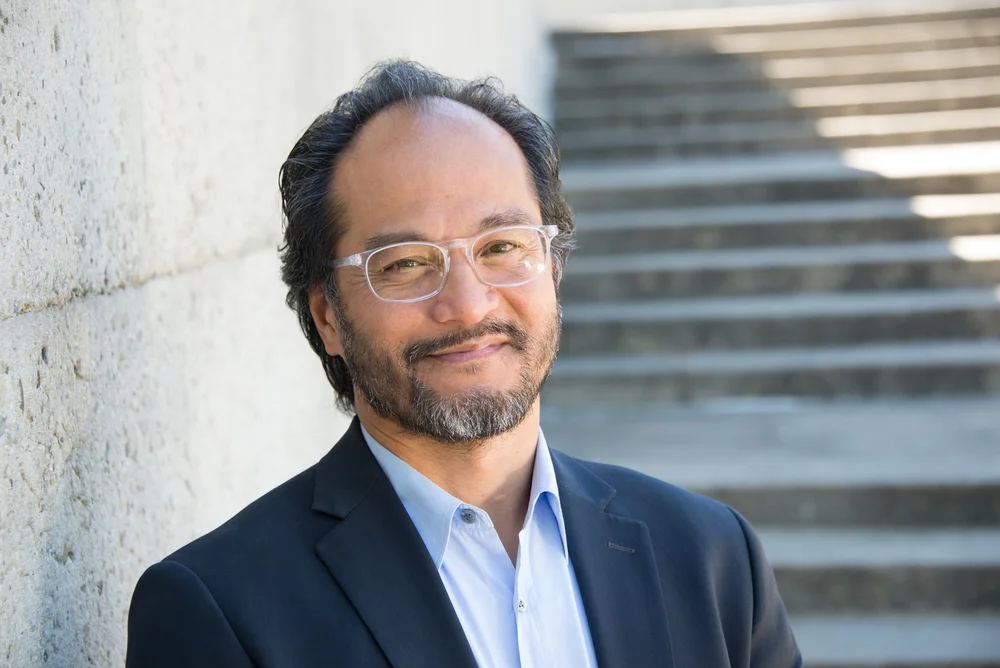
Adam Rozan: Can you share what you do?
René de Guzman: I am an independent arts consultant. My current work includes building an art collection for a new hospital and launching a new art school and exhibition program.
AR: I will get back to your current project and the larger discussion about artist housing and affordability in our cities and communities. But before that, I’d like to talk with you about your background. Were you trained as an artist? Can you tell me about that?
RD: I trained as an artist. After receiving an undergraduate degree in art practice, I actively pursued an art career for about 5 years. I maintained an individual sculpture studio at the same time I participated in inter-disciplinary collaborations.
AR: You made the switch, leaving studio practice for museum work. Was that a tough decision, and how did having an artist background help? And, what didn’t?
RD: Deciding to give up my studio practice was one of the hardest decisions. I identified as an artist so giving that up was a deeply personal matter. It however offered the chance to benefit the field with my perspective as a curator grounded in art practice.
AR: How did you become a curator, and how much of your curatorial practice would you say is an extension of your artistic practice?
RD: Having been an artist gave me the confidence to work with contemporary artists. I trusted the creative process and could facilitate that for others. My work as an arts administrator and member of an artist collective built experience working on projects and within organizational environments.
AR: In my opinion, much of your museum and curatorial practice is focused on the audience first, with the project and artwork supporting their interests. Would you agree? Disagree?
RD: I would agree. My early curatorial work that focused on contemporary art always had an audience in mind. In that case, the audience was primarily made of other artists. My mid-career curatorial work involved more mainstream audiences who largely weren’t active participants in cultural work. I like to think that I helped grow audiences for contemporary art.
AR: Okay, how would you describe Art + Water?
RD: Art + Water is an organization that offers art training through mentorship and hands on experiences. The premise is to scale up a kind of education that normally happened on one-to-one basis.
AR: What problem is Art + Water trying to solve, or at least address?
RD: Art + Water is one of many experiments that are happening locally, nationally, and internationally that are grappling with the shortcomings in the arts field. In Art + Water’s case, affordability and effective training are key issues.
AR: How do artists and creatives, not established, take advantage and participate in Art + Water?
RD: Art + Water has formal roles as staff, mentors, and mentees as well as informal roles as visiting creatives who offer to give public talks and demonstrations as opportunities arise. Art + Water also intends to be a destination for creatives and life long learners.
AR: If successful, what will be the impact of Art + Water on the broader Bay Area and other cities?
RD: Art + Water intends to offer a sense of collective optimism that the Bay Area can sustain its creative core. If successful, Art + Water can provide a model for other regions and cities.
AR: What are some of the most effective ways museums support artists today, and what additional steps can museums take to better support artists and other creatives?
RD: Museums can provide concerted support for artists in their communities in the form of commissioning work by living artists and including local artist in exhibition programs in general. Museums can also provide opportunities to connect visiting artists with local counterparts. Lastly, always privilege learners whether their goal is to be an artist or an engaged audience member.