What Does It Mean to Truly Experience an Art Museum? A Q&A with Johan Idema
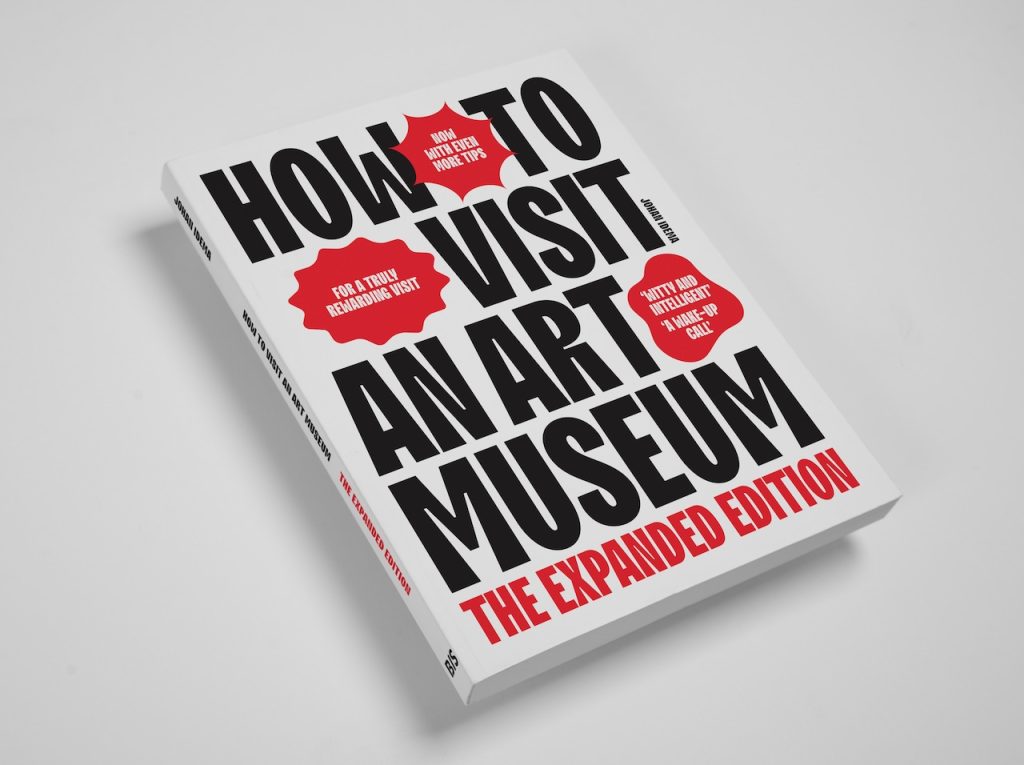
Back in 2017, at the MuseumNext conference in Rotterdam, I met Johan Idema, and we discussed his book, How to Visit an Art Museum. The book focuses less on what museums display and more on how we interact with them. When I saw that an updated edition had been released, I didn’t hesitate. I wanted to catch up, revisit the ideas, and see what’s different now, especially as museums continue to adapt to a changing world.
Adam Rozan: It’s been 12 years since the first versions were released. What’s new and different at art museums that encouraged you to write an update?
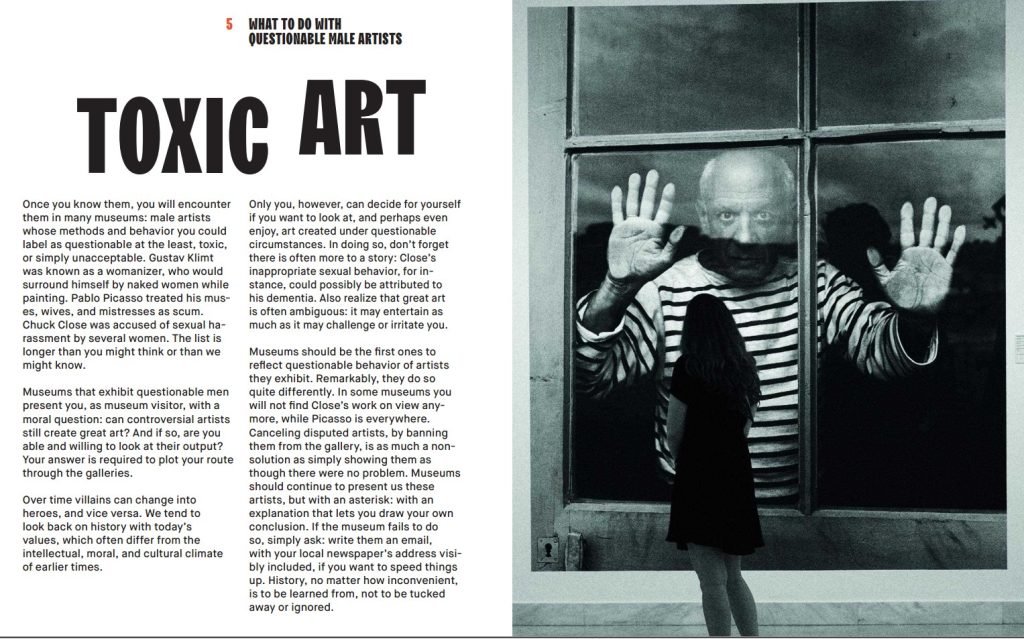
John Idema: The original edition of How to Visit an Art Museum was published in 2014. Since then, the world has changed, and with it, the art museum. Quite interestingly, all of today’s issues are reflected within our museum spaces. From climate change (fossil fuel sponsorships) and super-wealth (private art museums) to toxic masculinity (cancelled artists) and ‘forgotten’ female artists. In the expanded edition of How to Visit an Art Museum I have added new tips that let you, as a museum visitor, tackle these current challenges. The museum is not a neutral space anymore. You might ask if it ever was, but public attention to the integrity of the institute is undeniably growing.
AR: In the new updated book, what are some of your favorite new additions that you’ve included?
JI:My favorites new additions challenge you to think about where you, as a museum visitor, stand. Do you come just to gaze at pretty pictures? Or is the museum for you a place where some things, as in the real world, can and should be done differently? I really like to ─ and think it’s important ─ to ask these kind of questions and give possible answers. How do you react to exhibitions dominated by white male artists? How to deal with art museums sponsored by the fossil and addiction industries? What to think of the cancellation, by some museums, of Picasso and other controversial artists? The answers are not always easy or unambiguous, but now more than ever, the art museum is a place to question what you see.
AR: One of the things I really like about the books is their design; it’s as if the copy itself is meant to mimic gallery wall labels and introductory texts.
JI: Thank you, that’s great to hear. How to Visit an Art Museum is written to reach a broad audience of museum visitors. Its design plays an important role in attracting readers and contributed to the original edition becoming a bestseller, translated into nine languages. Don’t be fooled, however, the book may look great, but the advice is serious. Many museumgoers enter the art museum with the expectation that they will have a worthwhile experience. Yet once inside, we see them drifting from artwork to artwork, spending an average of ten or perhaps twenty seconds with each object. With this book, I want to inspire visitors how to pursue a truly rewarding museum visit.
AR: The two books are a guide to visiting. What advice would you have for those who work in and create museum spaces?
JI: I hope How to Visit an Art Museum will provide museum professionals with inspiration and insight. In particular, curators and educators should focus more on what is required to truly convey art to the viewer. Too often, all attention is focused on the artworks themselves. Yet they are only objects, what matters is what they can offer in terms of inspiration, comfort, insight, and more. Artists create, but we – the audience – complete the work by deciding whether it speaks to us. Careful attention to what the public actually experiences and absorbs in art museums, and to how these experiences are designed, remains scarce but is urgently needed.
AR: For visitors who frequently go to museums and art museums, what’s one piece of advice you’d give them?
JI: I would advise frequent visitors to develop a habit. Set a reminder on your smartphone for two weeks after your museum visit. When the moment arrives, ask yourself what you have truly taken from the museum visit. Be honest and specific: are there works of art that you genuinely remember, and that offered you a lesson or insight? Research shows that for most of us museums visits are primarily entertainment, little more. What proves essential is exhibition design: the ideas, texts and setting through which art is presented. Strong exhibitions create lasting and rewarding experiences. Developing this habit will make you more attentive during for your future visits. You will begin to develop an eye for what’s required for an exhibition to truly make impact.
AR: And for those who don’t visit museums often, if ever, what advice would you give them?
JI: Be aware that art has much to offer in terms of inspiration, comfort, new insights, and more. Yet it’s an acquired taste, one that museums should help cultivate, or that you can develop for yourself. A good place to start is by talking to the museum guard. Some of them have amazing knowledge of art. Others have impressive life stories to share. As a resource of knowledge, inspiration or just plain fun, the value of museum guards is grossly understated. Many guards would speak with great passion. Another advice is to bring children, especially between ages of four and nine. Children ask the questions that adults do not dare to ask. They can’t be fooled with simplistic or abstract answers.